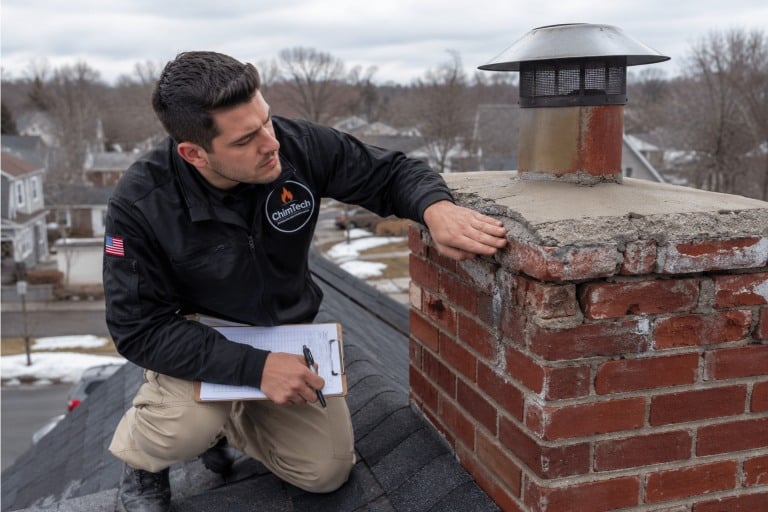
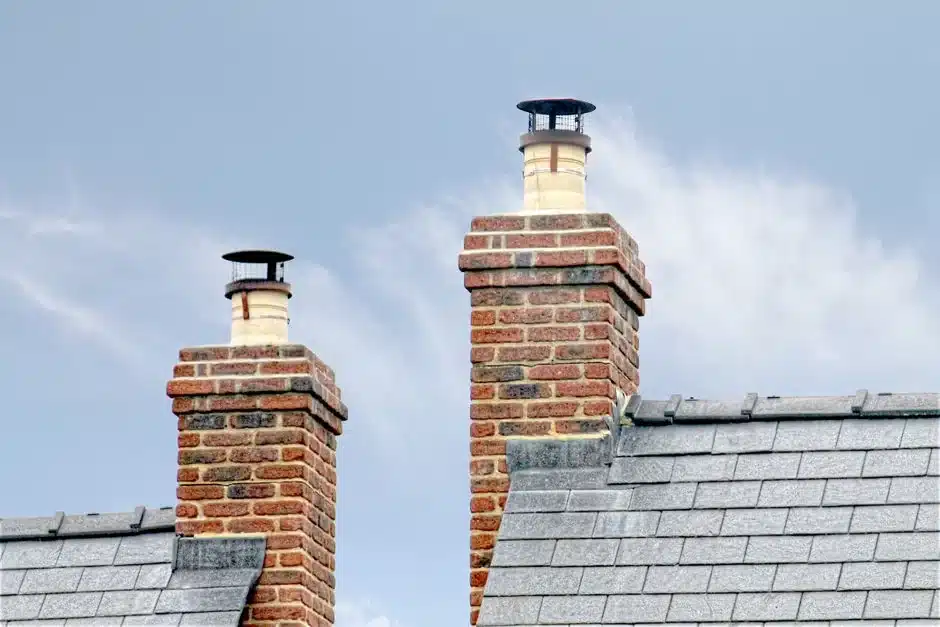
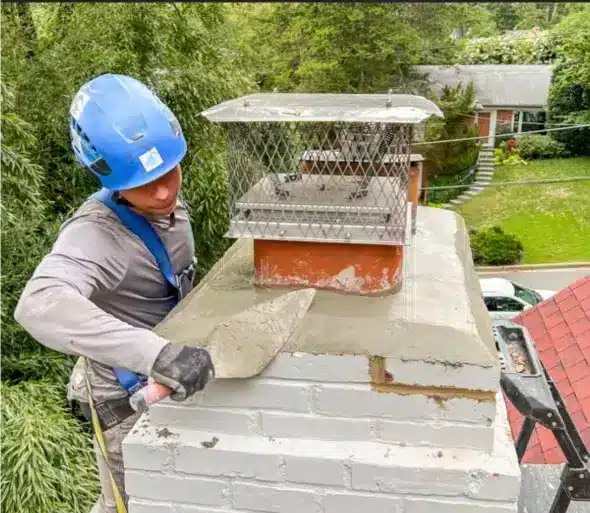
Chimney repair in Bloomington, MN is shaped by a unique mix of climate extremes, established neighborhoods, high visibility commercial districts, and a well informed homeowner base. The city sits just south of Minneapolis and experiences some of the most dramatic seasonal swings in the Midwest. Winters routinely bring deep freezes, heavy snowfall, and persistent ice buildup. When temperatures drop below zero for extended periods, moisture trapped inside masonry expands and stresses brick faces and mortar joints. As spring arrives, rapid thaw cycles force that moisture to contract, leaving cracks, spalling, and gradual structural weakening behind. Homes near Hyland Lake Park Reserve and Bush Lake often face additional wind exposure sweeping across open water, which drives moisture into chimney stacks and accelerates deterioration. Effective chimney repair in Bloomington must be tailored to handle this constant freeze thaw pressure while maintaining long term water resistance. The diversity of housing stock across Bloomington further complicates repair strategies. In East Bloomington, especially in neighborhoods developed during the postwar boom, many properties feature original brick chimneys that have been standing for decades. These structures often served traditional wood burning fireplaces and older furnaces. Today, many homeowners have upgraded heating systems without fully modernizing venting components. That mismatch can create drafting inefficiencies, liner damage, and clearance concerns. Near Normandale Community College and residential pockets surrounding Portland Avenue, it is common to encounter aging mortar joints that require careful tuckpointing rather than surface patchwork. Meanwhile, West Bloomington neighborhoods closer to Normandale Lake Park and residential areas near France Avenue tend to include newer builds with prefabricated fireplace systems. In these homes, issues often involve chase covers, flashing integration, and moisture intrusion where siding meets vent structures. Repair professionals must understand both traditional masonry stacks and factory built systems to serve the full range of Bloomington properties. Local landmarks also shape homeowner expectations. Properties near the Mall of America and the commercial corridors surrounding American Boulevard benefit from strong property values and steady demand. Homeowners in these areas are often proactive about maintenance to protect resale potential. The same is true for homes near the Minnesota Valley National Wildlife Refuge, where natural surroundings and mature trees contribute to moisture retention and falling debris that can impact chimney caps and crowns. Even in quiet residential streets near Bloomington Ice Garden and Dred Scott Playfields, rooflines and chimney placements vary widely, requiring customized flashing solutions that prevent water penetration during heavy snow accumulation. Regulatory awareness is another defining market challenge. Bloomington follows Minnesota state building codes, and homeowners are increasingly conscious of compliance requirements. When structural cracks, leaning stacks, or liner failures are identified, repairs must align with safety standards and manufacturer specifications. Thorough evaluations are often necessary before work begins. Many responsible contractors recommend documentation comparable to a
Level 2 inspection to identify hidden damage before investing in masonry repairs. This expectation for transparency means companies must combine technical expertise with clear communication, photographic evidence, and written repair plans. Competition within the greater Twin Cities metro area further raises the bar. Bloomington residents are accustomed to researching service providers, reading reviews, and comparing credentials. A contractor working near landmarks like Hyland Hills Ski Area or along Lyndale Avenue cannot rely on quick cosmetic fixes. Word of mouth spreads quickly in established neighborhoods, and homeowners expect durable workmanship that holds up through multiple winter seasons. Companies that fail to account for proper crown slope, high quality waterproofing, and freeze resistant mortar blends often see callbacks after the first severe winter storm. Environmental factors specific to Bloomington also contribute to long term chimney stress. Homes near Nine Mile Creek experience fluctuating humidity levels that can saturate masonry over time. Tree coverage common around residential streets near Bush Lake and in older subdivisions can trap shade and slow drying after storms. Additionally, traffic vibrations from major routes like Interstate 494 may seem minor, but over decades they can subtly affect mortar integrity in taller stacks. While these influences are gradual, they compound the impact of harsh weather and accelerate the need for professional intervention. Economic patterns play a role as well. Bloomington maintains a stable housing market due to its proximity to major employers, retail hubs, and recreational amenities. Even during broader market slowdowns, homeowners tend to prioritize essential structural repairs that protect property value. Chimney damage is rarely ignored for long once water infiltration or safety risks become apparent. Residents understand that postponing masonry repairs can lead to interior ceiling damage, insulation saturation, and costly structural rebuilding. All of these factors make chimney repair in Bloomington far more complex than a simple brick replacement job. Contractors must understand neighborhood distinctions from East Bloomington to West Bloomington, recognize environmental influences near parks and lakes, and navigate code expectations with precision. Success in this market depends on delivering climate specific solutions, detailed diagnostics, and workmanship designed to endure Minnesota winters year after year.